Every couple dreams of a wedding that feels personal, beautiful, and memorable, but the average cost of a modern celebration can make that dream feel out of reach. The good news is that a smaller budget does not mean smaller love or a less stunning day. With smart planning, realistic priorities, and a willingness to research your options, you can create a celebration that looks and feels custom-made without draining your savings. This guide walks through the major wedding expenses and shows where you can save, splurge, and negotiate wisely.
Setting a Realistic Wedding Budget From the Start
Before booking a single vendor, sit down with your partner and anyone contributing financially to agree on a total number you are comfortable spending. Break that total into categories like venue, attire, food, photography, and rings, then rank them by personal priority so you know where flexibility exists. Many couples overspend simply because they never set boundaries in writing, and small add-ons snowball into thousands of extra dollars.
Once your categories are set, build in a cushion of ten to fifteen percent for unexpected costs, since something almost always comes up between booking and the big day. Track every deposit and payment in a shared spreadsheet or budgeting app so both partners can see the full picture at any time. This transparency prevents surprises and keeps decision-making calm rather than stressful.
- List every category before shopping so you are not tempted by vendors outside your plan
- Assign a dollar ceiling to each category rather than a vague guess
- Reassess the budget monthly as bookings are confirmed
- Keep a small emergency fund separate from your main wedding budget
Choosing Rings and Fine Jewelry Wisely

The engagement ring and wedding bands are often one of the biggest single purchases of the entire celebration, so it pays to shop thoughtfully rather than impulsively. Visiting a well-reviewed jewelry Store in person lets you compare metals, settings, and stone quality side by side instead of guessing from photos online. Ask about lab-grown diamonds or alternative gemstones, which can look just as brilliant as mined stones while costing a fraction of the price.
If you want something truly unique, consider custom engagement rings built around a family heirloom stone or a design that reflects your relationship rather than a mass-produced setting. Many jewelers offer payment plans or layaway options that make higher-quality pieces more accessible without resorting to high-interest credit. Getting a written quote and warranty information up front protects you from unexpected repair costs down the road.
- Compare at least three jewelers before committing to a setting
- Ask about resizing, cleaning, and warranty policies included in the purchase
- Consider vintage or estate pieces for character and cost savings
- Request certification for any diamond or gemstone over half a carat
Finding the Wedding Dress Without Overspending
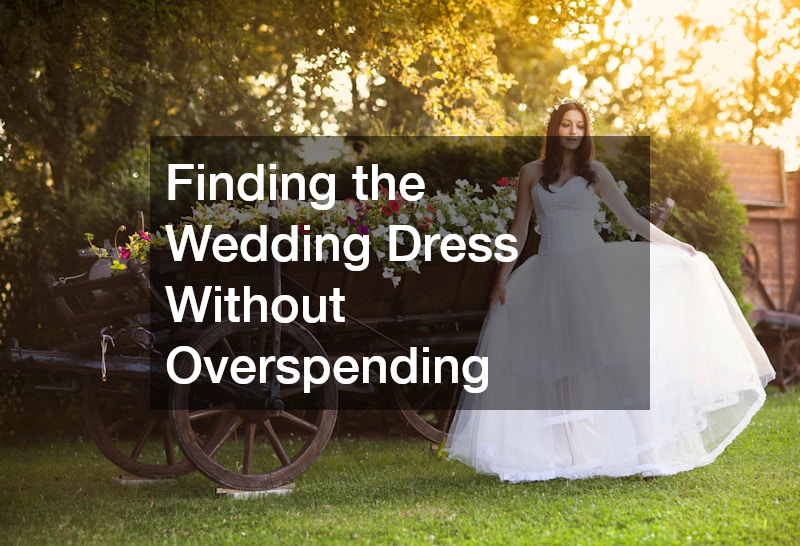
Wedding dresses can range from a few hundred dollars to tens of thousands, and the price tag rarely reflects how a gown will look in photos or feel on your body. Sample sales, trunk shows, and off-season shopping are excellent ways to find quality wedding dresses at a steep discount, sometimes forty to sixty percent below retail. Booking appointments at multiple boutiques also gives you leverage to negotiate, since many shops will match or beat a competitor’s price on a similar style.
Renting or buying secondhand has also become far more socially accepted, with entire online marketplaces dedicated to gently used gowns from real weddings. Alterations are usually the hidden cost people forget to budget for, so always ask for an estimate before falling in love with a dress that needs major reworking. The same secondhand mindset can apply to accessories, since a piece of custom jewelry from an independent designer often costs less than a mass-produced bridal collection while feeling far more personal. Setting aside a separate line item for alterations, shoes, and accessories keeps this category from quietly ballooning.
- Shop sample sales for discounts of forty percent or more
- Consider renting for a one-day event instead of buying new
- Ask about trunk show pricing before the collection ships to stores
- Budget separately for alterations, veil, and undergarments
Booking a Venue and Catering That Fit Your Budget
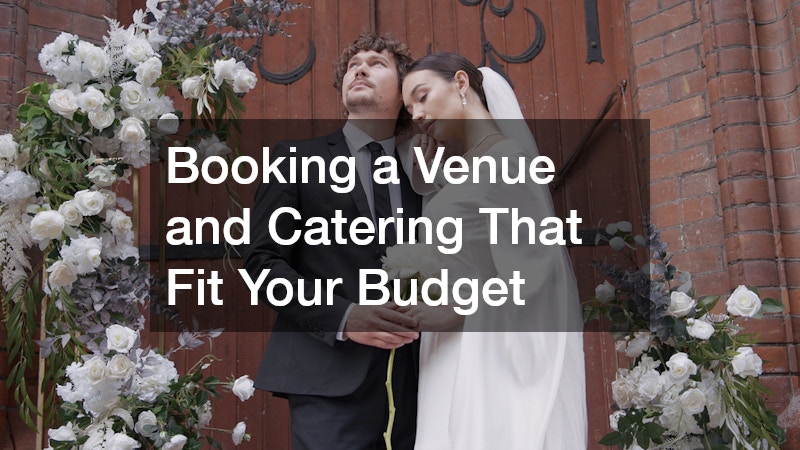
Venue and catering typically consume the largest share of a wedding budget, often 40 to 50 percent of total spending, so this is where creative thinking pays off most. Weekday or Friday weddings, off-peak seasons like January through March, and daytime brunch receptions often come with significantly lower rental fees than a Saturday evening event in peak wedding season, sometimes cutting venue costs by 20 to 30 percent. Even shifting your date by a few months or choosing a Sunday afternoon slot can unlock discounts many couples never think to ask about. Ask venues directly what is included in their package, since some bundle tables, chairs, linens, and even setup or cleanup staff, while others charge separately for every item, turning an attractive base price into a much larger final bill. Request an itemized quote before signing anything, and compare at least three venues side by side so you can see hidden fees clearly. Catering deserves the same scrutiny. Buffet-style service, family-style platters, or food stations are generally more affordable than plated dinners with multiple courses, and limiting bar options to beer, wine, and one or two signature cocktails instead of a full open bar can save hundreds of dollars. Also ask whether the venue allows outside caterers or requires you to use an in-house team, since exclusive contracts sometimes come with markups that a little research could help you avoid.
For food, skip the assumption that a formal sit-down dinner is required for an elegant event. A casual, high-quality spread from one of the best restaurants in your area, served family style or as a curated buffet, can feel just as special while costing considerably less per plate than plated service with multiple courses. Plated dinners typically run $60-$120 per person once you factor in staffing, rentals, and service fees, while buffet or family-style options from the same caliber of kitchen often land closer to $35-$65 per person. Beyond the format, think about timing and portions. Serving heavier appetizers during cocktail hour lets you scale back the main course size without anyone feeling shortchanged, and a lunch or early-afternoon reception menu is almost always priced lower than a full evening dinner. Buffets also cut down on staffing costs since you need fewer servers than a plated meal requires. Some couples even partner with a favorite local pizza place for a late-night snack station, which guests genuinely love and remember fondly. A taco truck, a build-your-own sundae bar, or a cider and donut table are equally popular alternatives that add personality without inflating the budget. These stations often cost a few dollars per head, yet they tend to be the detail guests talk about long after the cake has been cut.
- Ask for an itemized quote so you know exactly what is included, and confirm whether tax, service charge, and gratuity are already factored in or added later
- Consider brunch or lunch receptions for lower catering costs, since venues often charge 20-40% less for daytime slots than evening events
- Explore food trucks or casual caterers instead of traditional banquet service to cut per-plate costs while adding a fun, memorable touch
- Negotiate corkage fees if you plan to supply your own wine or beer, and ask if the venue will waive them for buying a set number of bottles through them
- Compare all-inclusive packages against à la carte pricing, since bundled deals sometimes hide markups on rentals or staffing
- Book an off-peak day, like a Friday or Sunday, or an off-season month to unlock lower venue rates and more flexible negotiating room
Capturing the Day With Photography and Video

Photography is one category where most planners recommend not cutting corners too aggressively, since these images are what you will look back on for decades. A blurry or poorly lit photo can’t be redone once the day is over, so this is the place to prioritize quality even if it means trimming elsewhere. That said, you can still control costs by booking a shorter coverage window, choosing digital-only packages instead of printed albums, and asking about second-shooter discounts. A practical strategy is to hire your photographer for six hours instead of ten, covering only the ceremony, portraits, and the first hour or two of the reception, then having a trusted friend or family member snap candid shots on a nice camera for the rest of the night. Many photographers also offer “engagement session included” packages that can be swapped out for a discount if you don’t need those extra photos, so it’s always worth asking what’s negotiable. Increasingly popular drone photography adds a dramatic, cinematic view of your venue and guest count without the expense of a full second videographer, and many photographers now offer it as an affordable add-on package, often for just a few hundred dollars extra. Before booking, confirm the operator is licensed and insured, and double-check with your venue that aerial footage is permitted, since some locations restrict drone use for privacy or safety reasons. If a full drone package isn’t in the budget, even a few minutes of aerial footage during golden hour can deliver a memorable, high-impact shot for a fraction of the cost.
Always review a photographer’s full portfolio, not just their highlight reel, to understand how they handle different lighting conditions and moments throughout a full event. Ask to see at least one or two complete galleries from real weddings rather than curated best-of collections, since this reveals consistency in focus, exposure, and candid timing during speeches, dancing, and low-light receptions. Reading recent client reviews and asking about backup equipment or a second shooter in case of emergency gives peace of mind. It’s worth asking specific questions: What happens if the photographer is sick on your wedding day? Do they carry backup cameras and memory cards? A second shooter typically adds $400 to $1,200 to the total cost but ensures you get both wide shots and intimate close-ups simultaneously, plus coverage from multiple angles during the ceremony. A clear contract detailing turnaround time, number of edited images, and usage rights protects both you and the photographer. Most professionals deliver a sneak peek of 20 to 30 images within a week and the full edited gallery within four to eight weeks, so get these timelines in writing. Also clarify who owns the copyright, whether you can print images at outside labs, and whether raw, unedited files are included or available for an additional fee. If budget is tight, consider hiring a photographer for fewer hours (such as just the ceremony and portraits) and asking a talented friend to capture candid moments during the reception, or booking a videographer only for a short highlight reel rather than full-day footage.
- Ask about digital-only packages to reduce album costs — many photographers knock 15-20% off when you skip printed albums entirely
- Request drone footage as an add-on rather than a separate full booking, which can save several hundred dollars over hiring a separate operator
- Confirm turnaround time for edited photos in writing, and ask for a sneak peek gallery within 48-72 hours for social media
- Check reviews for consistency across multiple real weddings, not just staged shoots or portfolio highlights
- Compare second-shooter costs versus solo coverage, since a second photographer often adds candid angles for less than a full second package
- Ask whether raw, unedited files are included, in case you want backups beyond the final curated set
- Clarify how many hours of coverage are included and the cost per extra hour if the reception runs long
Planning Music and Entertainment That Sets the Mood
Music shapes the entire emotional arc of a wedding, from the quiet ceremony processional to the high-energy dance floor later in the night, so it deserves real thought even on a budget. A live pianist for the ceremony can create an elegant, intimate atmosphere, but instruments used for events need proper maintenance beforehand, and venues with an on-site piano should schedule piano tuning in the weeks leading up to the event to avoid an off-key surprise. Many venues neglect this detail, so it is worth asking directly rather than assuming the instrument is performance ready.
For the reception, a skilled DJ is often more budget-friendly than a full live band while still keeping the energy high throughout the night. Ask any entertainment vendor for a video of a recent event and a clear list of equipment they bring, including backup gear in case of technical issues. Building a shared playlist in advance with your partner also ensures the music reflects your actual taste rather than generic crowd-pleasers alone.
- Confirm whether ceremony venues provide a working piano or require rental
- Schedule instrument maintenance at least two weeks before the event
- Compare DJ and live band pricing before committing to either
- Share a must-play and do-not-play list with your entertainment vendor in advance
Handling Vendor Contracts and Unexpected Repairs
Behind almost every wedding is a network of equipment that needs to function flawlessly, from catering kitchens to lighting rigs, and reading contracts carefully protects you from being blamed for issues outside your control. If your reception venue or caterer relies on commercial kitchen equipment, ask whether they have a relationship with a reliable restaurant equipment repair service in case an oven or refrigeration unit fails unexpectedly on the big day. Vendors with strong maintenance partnerships tend to have far fewer last-minute catering disasters.
Before signing any contract, confirm cancellation policies, backup plans for equipment failure, and who is financially responsible if a vendor cannot deliver as promised. A short phone call asking these questions upfront can save enormous stress later. Keep copies of every signed contract in one folder, digital or physical, so you can reference details quickly if a question arises close to the date.
- Ask caterers about backup equipment or repair partnerships before booking
- Request a written cancellation and refund policy from every vendor
- Keep all signed contracts organized in one accessible folder
- Confirm who is liable for equipment failure during the event
A beautiful, memorable wedding does not require an unlimited budget, just thoughtful research and a willingness to prioritize what matters most to you as a couple. Start by setting your numbers early, then work through each vendor category with the same curiosity and patience you would bring to any major purchase. With a clear plan in hand, you can walk into your wedding day confident that every dollar was spent intentionally, leaving you free to simply enjoy the celebration.