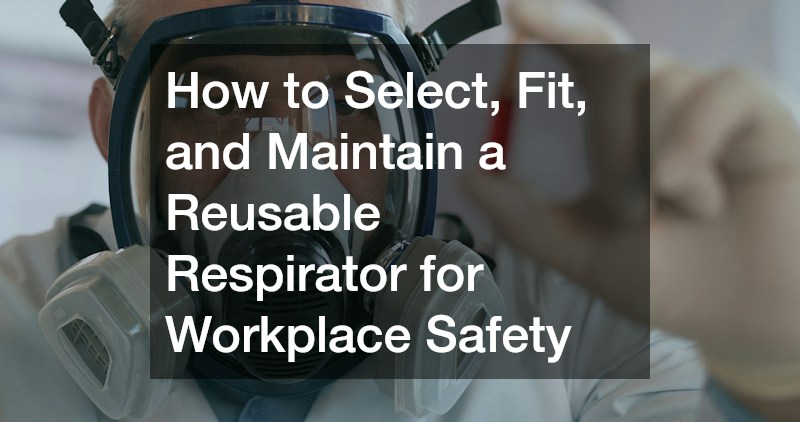
Protecting respiratory health in demanding industrial, construction, and manufacturing environments requires far more than grabbing the nearest face covering off a shelf. Airborne hazards—ranging from fine dust and metal fumes to organic vapors and chemical gases—pose serious short- and long-term health risks when inhaled. Properly choosing and caring for a reusable respirator ensures workers receive reliable protection shift after shift while keeping equipment programs cost-effective and compliant.
Start With a Thorough Workplace Hazard Assessment
Before selecting any type of reusable respiratory protection, employers and safety managers must conduct a comprehensive hazard assessment. Different airborne contaminants require specific filtration media and protection factors; a particulate filter built for wood dust or silica will not stop solvent vapors, and an air-purifying mask cannot be used in oxygen-deficient environments.
Evaluating the work environment involves identifying the exact contaminants present, measuring their airborne concentrations, and determining whether eye or face protection is also necessary. If airborne chemicals irritate the eyes or skin, a full-facepiece model provides integrated ocular protection alongside respiratory filtration, whereas a half-facepiece design may suffice when paired with safety goggles. Matching the protective equipment to the specific application eliminates guesswork and prevents dangerous gaps in coverage.
Prioritize Proper Fit and Facial Seal Integrity
Even the highest-rated filtration system fails if contaminated air leaks around the edges of the facepiece. To ensure complete effectiveness, a reusable respirator must form a tight, uninterrupted seal against the wearer’s skin. Because facial structures vary widely across a workforce, offering multiple facepiece sizes—such as small, medium, and large—and conducting formal fit testing before initial use are essential steps in any respiratory protection program.
Wearers must also perform a user seal check every time they don their equipment to verify positive- and negative-pressure integrity before entering a hazardous zone. Additionally, anything that interferes with the sealing surface compromises safety. Facial hair, including stubble and beards, prevents the silicone or elastomeric face seal from resting flush against the skin, while improperly positioned glasses or head harnesses can create subtle air gaps. Keeping the sealing perimeter clean-shaven and unobstructed ensures air passes strictly through the cartridges or filters.
Follow Strict Cleaning, Maintenance, and Storage Routines
Unlike disposable filtering facepiece masks that are discarded after use, reusable models are built for durability and repeated wear—provided they receive consistent care. Sweat, skin oils, workplace dust, and chemical residues accumulate on the facepiece during a shift, which can degrade elastomeric materials and harbor bacteria if left uncleaned.
Workers should clean and inspect their reusable respirator regularly after each use. Routine maintenance involves removing the filters or cartridges, washing the facepiece in warm water with a mild detergent, rinsing thoroughly, and allowing it to air-dry completely in a clean environment. During inspection, users should check the inhalation and exhalation valves, head straps, and gaskets for cracks, warping, or stiffness, and replace worn components immediately. Once dry, the clean equipment must be stored in a sealed bag or dedicated container, away from contaminated work areas, direct sunlight, and extreme temperatures, to remain uncontaminated and ready for the next shift.
Choose a Reputable Brand With Accessible Replacement Parts
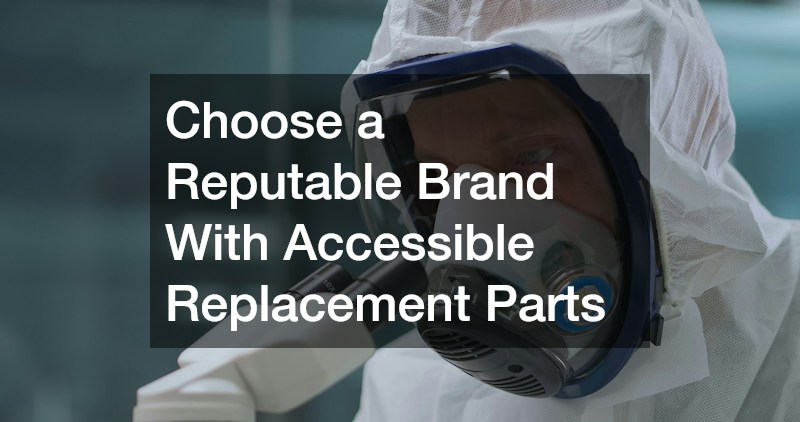
Long-term reliability depends heavily on equipment availability and ecosystem support. When investing in respiratory protection, selecting a reputable manufacturer with wide distribution networks and a broad lineup of compatible replacement cartridges and filters is critical. Standardized connection systems make it easy for workers to swap particulate filters for gas and vapor cartridges as jobsite tasks change, without needing an entirely new facepiece.
Reliable supply chains also prevent costly downtime when filters reach the end of their service life or valves need routine replacement. Standardizing on trusted, widely supported equipment simplifies worker training, streamlines inventory management, and ensures effortless safety compliance across multiple job sites.
Equipping your team with dependable respiratory protection starts with sourcing proven gear and establishing smart maintenance habits. If you are looking to upgrade your workplace safety program with reliable respirator solutions and replacement supplies, connect with Novarlo LLC today to explore quality protective equipment and get expert support for your team’s needs.